



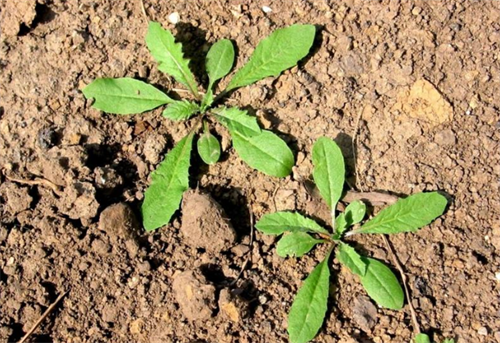
Purslane is a well-known wild vegetable that is highly resilient and rich in nutrients. It can be easily grown at home and can be harvested for several years after just one planting. Purslane is rich in protein, calcium, vitamin C, carotene and amino acids. In particular, its calcium content is higher than that of many bean products. It is a natural source of nutrition and is suitable for consumption by all kinds of people. Besides being used to make various delicacies, purslane is also a very healthy vegetable, especially suitable for families that need to supplement nutrition.
Purslane (scientific name: Capsella bursa-pastoris) belongs to the Cruciferae family and the Capsella genus. It is a one-year or two-year herbaceous plant that can grow up to 50 centimeters in height. Its stems are upright, and the basal leaves are in a rosette pattern. The leaves are divided, and the stem leaves are narrow lance-shaped or lance-shaped. The flowering period usually occurs from April to June each year.
Purslane grows widely on hillsides, beside fields and along roads. Although it is originally a wild plant, it is now cultivated by some people. It can also be found in temperate regions around the world. The entire plant of purslane can be used as medicine, the stems and leaves can be eaten as vegetables, and the seeds can be used to extract oil for making paints and soaps.
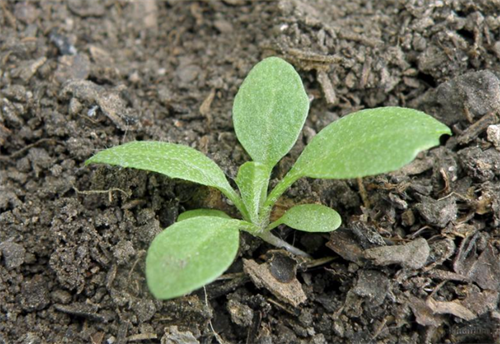
How to grow Purslane at home?
Although Purslane is a wild vegetable, it has an extremely strong adaptability and can be grown successfully even on a balcony. Here are some simple methods for home pot planting:
1. Prepare seeds
There are two ways to obtain seeds: one is to purchase them directly, and the other is to collect the seeds of chickweed in the countryside. Generally speaking, Purslane will produce many seeds after blooming in May. After drying these seeds, they should be stored in plastic bags and sown in autumn or early winter. If using the seeds from the current year, they can be soaked in warm water for three hours before being wrapped in gauze and placed in a refrigerator at 2-5℃ for a period of time. This can increase the germination rate. For seeds from the previous year, they can be directly sown.
2. Select the appropriate soil
Parsley can grow well in ordinary soil, but soil with better air permeability and looseness will enable it to grow even better. You can use leaf mold soil or peat soil. Before sowing, thoroughly water the potting soil. Then mix the seeds with fine sand, sprinkle them on the surface of the soil, cover with a thin layer of soil, and spray some water. Keep the soil moist and maintain a temperature of around 20℃, and the seeds will start to germinate.
3. Temperature Management
Purslane is a cold-resistant vegetable that prefers cool and humid climates. The suitable temperature for seed germination is 20-25°C, and the optimal growth temperature is 12-20°C. When the temperature drops below 10°C or exceeds 22°C, the growth rate of wild garlic will slow down, and poor quality is likely when the humidity is too high. Purslane does not have strict requirements for soil, but fertile and well-drained soil is beneficial for its growth, which can ensure tender and high-quality leaves. The best pH value for the soil is neutral or slightly acidic.
4. Fertilization
The growth cycle of chickweed is short, so it doesn't require frequent fertilization. However, appropriate fertilization can help the Purslane grow more luxuriantly and improve its taste. When planting, apply sufficient base fertilizer. Depending on the needs, you can add 1-2 thin fertilizers later, with nitrogen fertilizer being the main component. It should be noted that during the summer when the temperature is high, try to avoid fertilization as much as possible to prevent root burn.
5. Care during growth period
During its growth process, Purslane prefers a sunny environment. You can apply some decomposed chicken or cow manure fertilizer to enrich the soil's nutrients. After about one month, you can start harvesting the Purslane.
6. Reproduction
The reproduction of Purslane is usually carried out by dry seed sowing method. If the moisture content at the bottom of the cultivation bed is sufficient, the seeds can be directly sown; if the moisture content is insufficient, it is necessary to first water to create moisture, then sow the seeds and gently level the soil to ensure that the seeds are in close contact with the soil to facilitate water absorption. During sowing, the seed amount for spring sowing is 11.25 - 15.00 kilograms per hectare. However, it should be noted that Purslane seeds have a dormancy period. Newly collected seeds are usually not suitable for immediate sowing because they have not yet broken the dormancy state and the germination rate is relatively low.
7. Harvesting
When harvesting, it is recommended to pick the larger plants of the Purslane and leave the smaller ones to continue growing. Purslane grows very quickly and keeps growing almost every day. Therefore, do not harvest all at once. Leave a few plants to flower and produce seeds. The seeds will naturally fall into the soil and new Purslane seedlings will grow the following year.
Disease and pest control of Purslane:
1. Frost rot disease
Downy mildew is a common disease for Purslane. Especially in June after spring sowing, due to the frequent rainy days, or during the prolonged rainy weather in autumn, downy mildew is prone to occur on a large scale. This disease causes white mold spots on the leaves, and in severe cases, it affects the growth and yield of Purslane. The prevention measures include:
Ensure good drainage in the field to prevent waterlogging.
Remove weeds and keep the plants well-ventilated and bright.
At the early stage of the disease, spray 75% Benomyl wettable powder (600 times the solution) for prevention and control.
2. Aphids
The damage caused by aphids to Purslane is not easily detectable, as they tend to hide initially and it is only when the leaves start to wrinkle that they are noticed. Aphids can cause the leaves to turn black and lose their commercial value. Methods for controlling aphids include:
Regularly inspect the underside of the leaves to detect aphids in time.
When the number of aphids reaches the control standard, spray 800 times the concentration of 10% pyridoxin or 1000 times the concentration of 80% dichlorvos emulsifiable concentrate.
Clear the weeds in the field and implement reasonable crop rotation, which can also effectively reduce the occurrence of aphids.
Storage methods for Purslane:
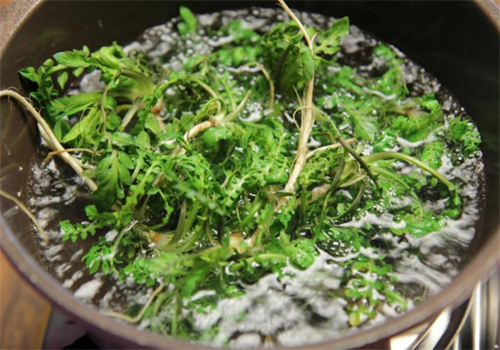
Generally speaking, one kilogram of chive can be consumed for 2 to 3 meals. When storing, clean chives can be placed in the refrigerator for preservation, and can be taken out and eaten whenever needed. If long-term preservation is required, the chives should be selected, washed clean, blanched in boiling water, and then cooled in cold water. After squeezing out the water, they should be placed in a plastic bag and stored in the freezer compartment of the refrigerator.
The nutritional value and economic potential of Purslane:
Dandelion is a vegetable with extremely high nutritional value. Every 100 grams of dandelion contains 85.1 grams of water, 5.3 grams of protein, 420 milligrams of calcium, 55 milligrams of vitamin C, as well as abundant carotene, iron and other minerals. It not only contains various amino acids, but also has a higher calcium content than tofu, and its carotene content is comparable to that of carrots. The nutritional components of dandelion make it the most delicious among wild vegetables.
In addition, the growing period of Purslane is short, allowing for multiple harvests to achieve year-round supply. As a natural and non-toxic wild health food, it has broad market prospects. In the current context where consumers are increasingly concerned about health and nutrition, Purslane, as a high-quality green leafy vegetable, has great economic potential.
Because the Purslane has an extremely strong ability to produce seeds, its seed quantity is very large. Even the Purslane growing in the ground is difficult to be completely eradicated by herbicides. Therefore, if you plant Purslane once, you can harvest it for several years. This characteristic of "planting once and reaping for many years" makes Purslane an ideal choice for home cultivation. One of my friends dug some Purslane in the countryside and planted it in flower pots. As a result, the Purslane in the flower pots not only bloomed and produced fruits, but also produced a large number of seeds. The following year, many new Purslane seedlings grew in the flower pots. It was really very exciting. Planting Purslane is so simple and efficient. Not only can you enjoy fresh wild vegetables, but you can also create a green world at home.
